01 QuadXLogistics / E-commerce / Product / Web
GoGo Xpress
An end-to-end e-commerce platform for social sellers. I designed its rider app and hub tools, merging two delivery apps into one that riders now use every day.
Visit gogoxpress.com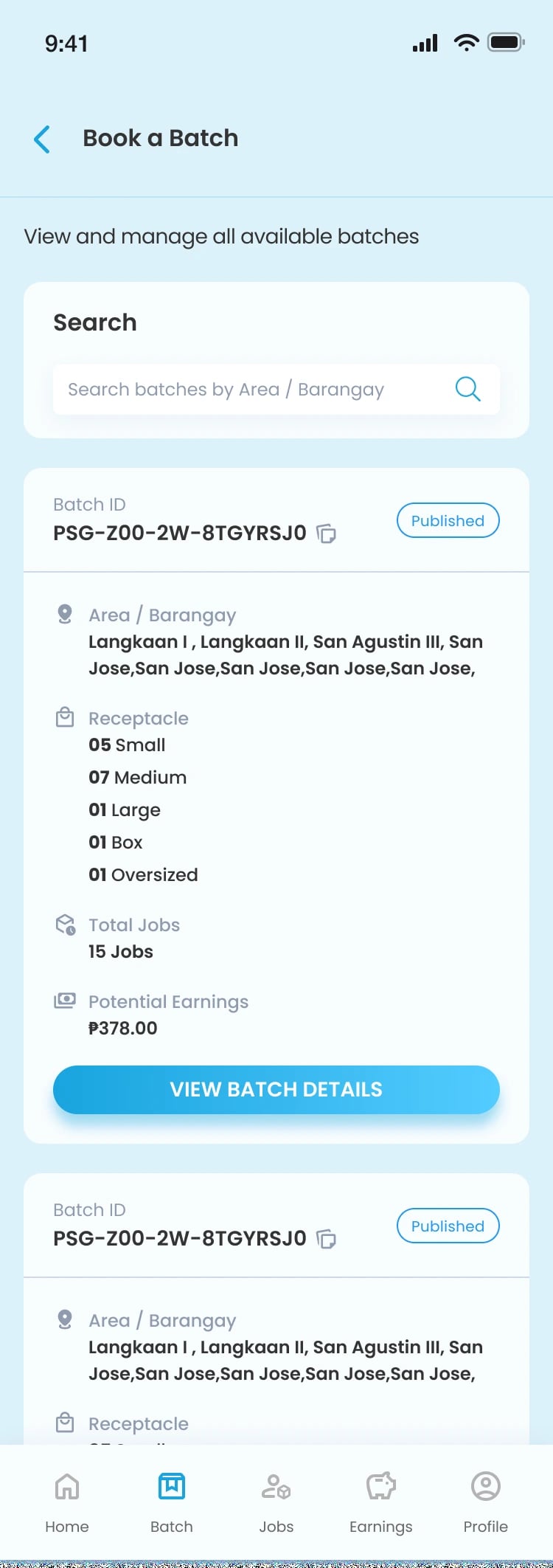
Overview
GoGo Xpress is an end-to-end e-commerce platform from QuadX, with payment and disbursement tools, courier services, and digital seller tools in one app. It's built for social and casual sellers, making it easy to start and grow an online business with minimal investment.
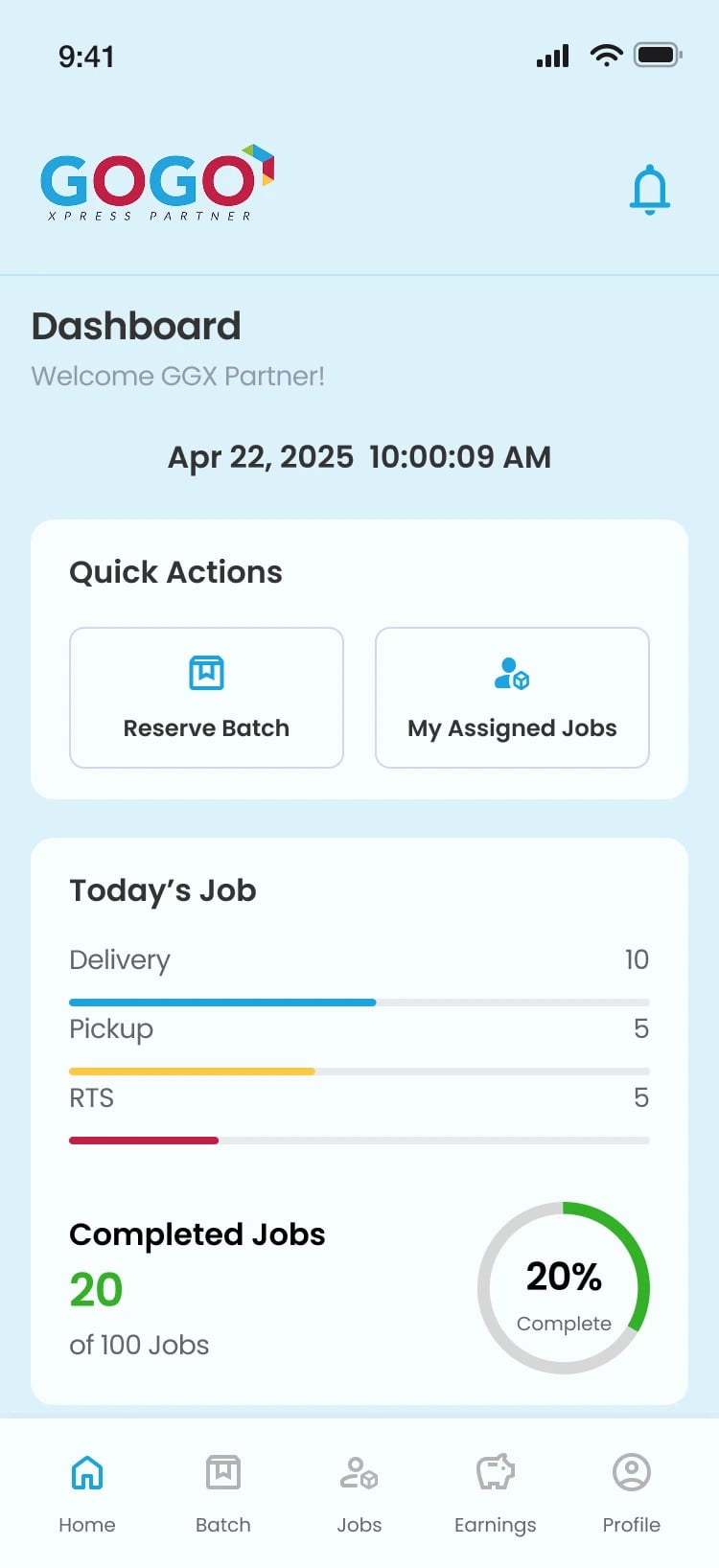
I worked on two sides of it: the GoGo Xpress Partner app riders use on the road, and the rider management tools hub teams use in GGX OneApp. The public website I redesigned after the rebrand is a separate project.
The Challenge
Hub supervisors and riders were managing job orders across two separate applications: a third-party app and GGX OneApp. Every task meant moving between systems.
The goal was a single, seamless app: bring what the third-party app did into GGX OneApp, without carrying over features and complexity nobody needed.
My Role
I led the project, working closely with the development team and keeping stakeholders aligned on the goals. My work included:
- Understanding existing workflows and requirements
- Reviewing the third-party application
- Identifying which features were actually needed
- Exploring different approaches within technical constraints
- Designing and refining the new workflows and interfaces
- Aligning the solution with the existing product infrastructure
The Approach
Merging two systems is a substantial job, so we started by reviewing the third-party app closely. Many of its features turned out not to be used at all.
Instead of reproducing it, we carried over only what was essential to the new GGX OneApp. That kept the merged app efficient and easy to use, without unnecessary complexity.
The Rider App
Riders sign in with a 6-digit MPIN they set on their first login, so getting into the app on the road takes seconds.
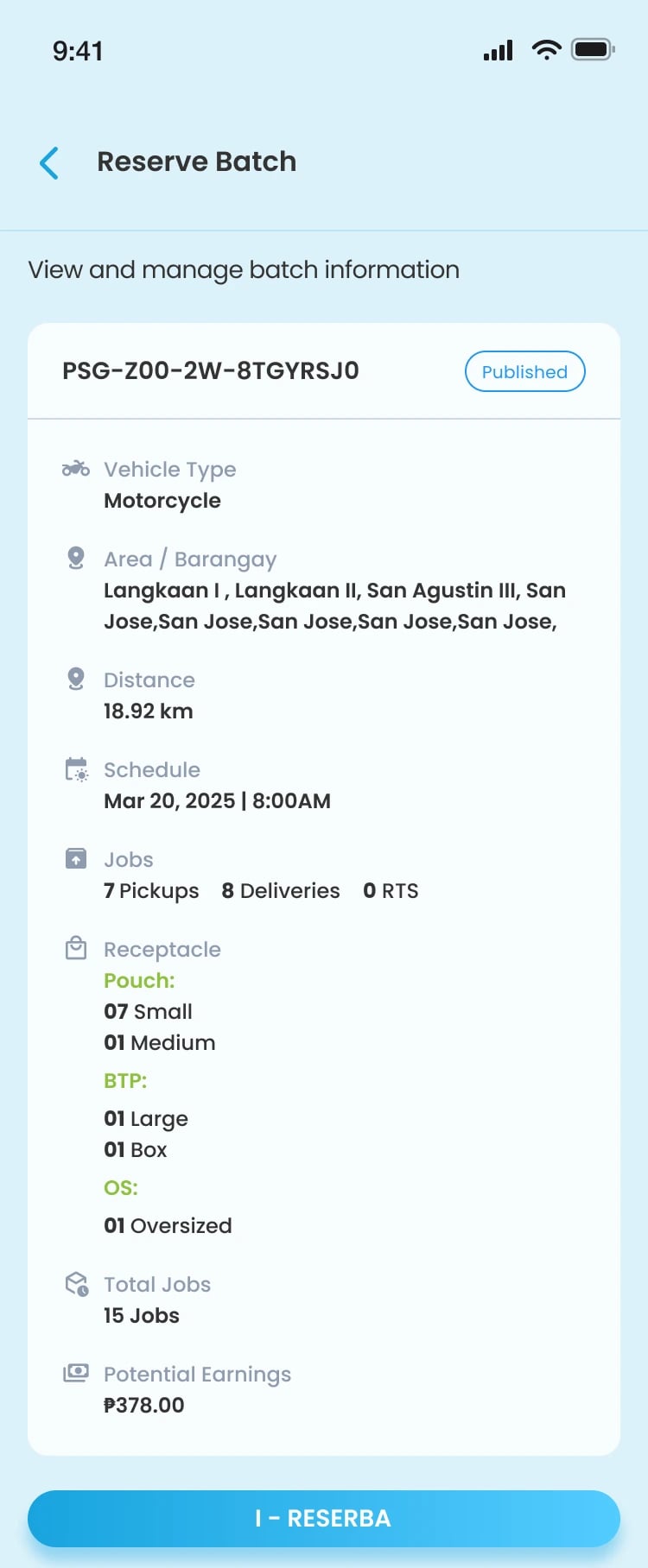
From there they reserve delivery batches, which go to the hub for approval. While a reservation waits, the Jobs tab says so instead of showing an empty list. Approved batches open into merchants, then individual orders, each with its own details.
Rider Management
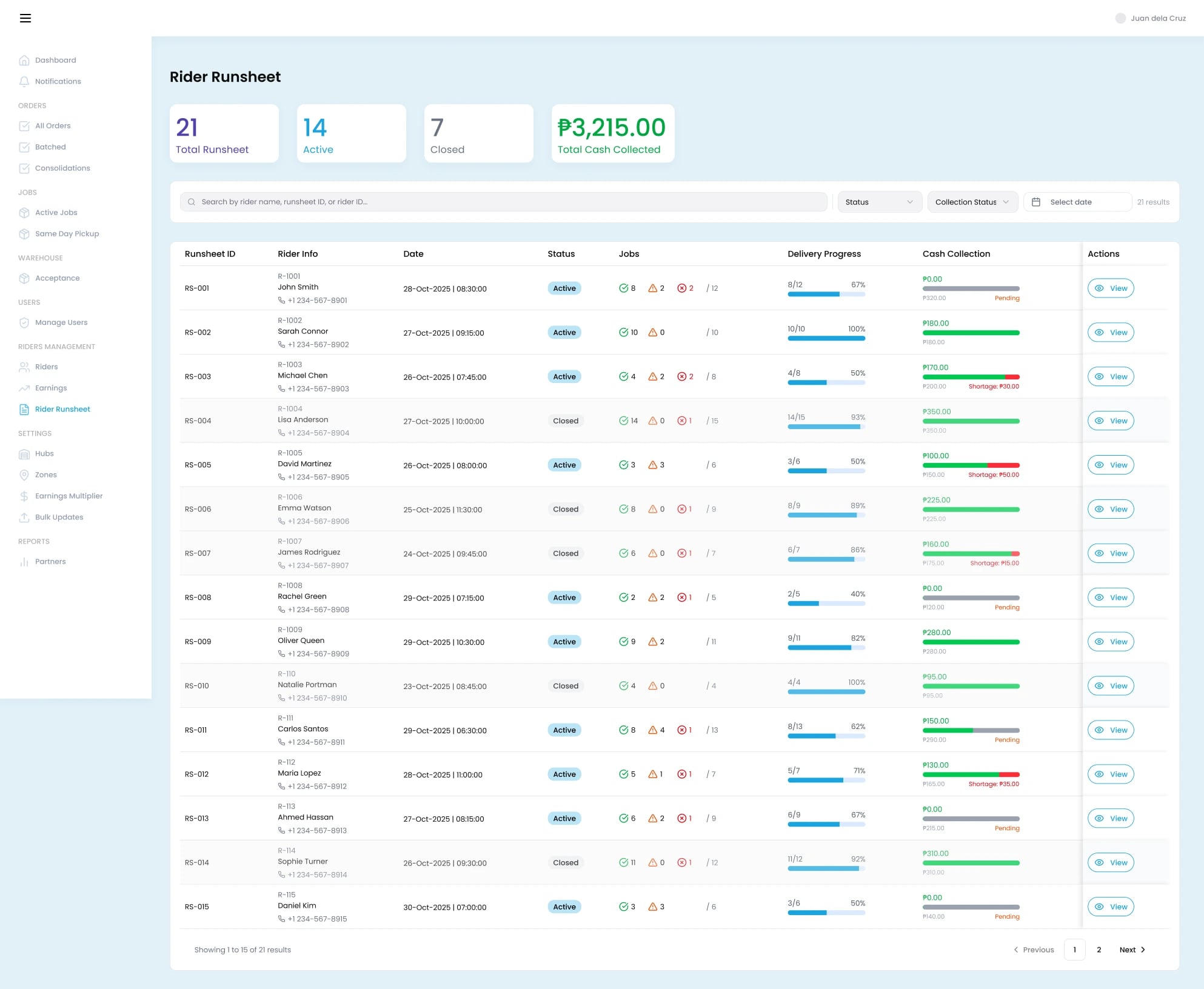
On the admin side, hub teams manage riders inside GGX OneApp. Rider Runsheets show each rider's progress and the cash they've collected, down to every pickup, delivery, and return. Bulk Adjustments lets them apply credits and debits to many riders at once from a CSV: download a template, upload it, and review every row before anything is applied.
Rows with an unknown rider, a bad amount, or a record that's already paid are flagged with the reason. Only valid rows go through, and each one is written to an audit trail.
The Outcome
The rider app is live and in daily use. Riders sign in, reserve batches, and run their jobs from one app instead of two, and hub teams make adjustments in bulk instead of one rider at a time.
Only the features people actually used made it into GGX OneApp, and the rider and hub tools share the GoGo Xpress brand: one set of UI elements, colours, and type across the platform.
What's Next
The next phases, now in planning, bring pay into view on both sides. Riders get an Earnings screen showing how each job's parcel size and distance add up to a weekly payout, with incentives, deductions, and a way to report an issue. Hub teams get an approval pipeline that takes each payout from review to paid.
Both are designed around the same pay model, so what the hub approves is exactly what the rider sees.